
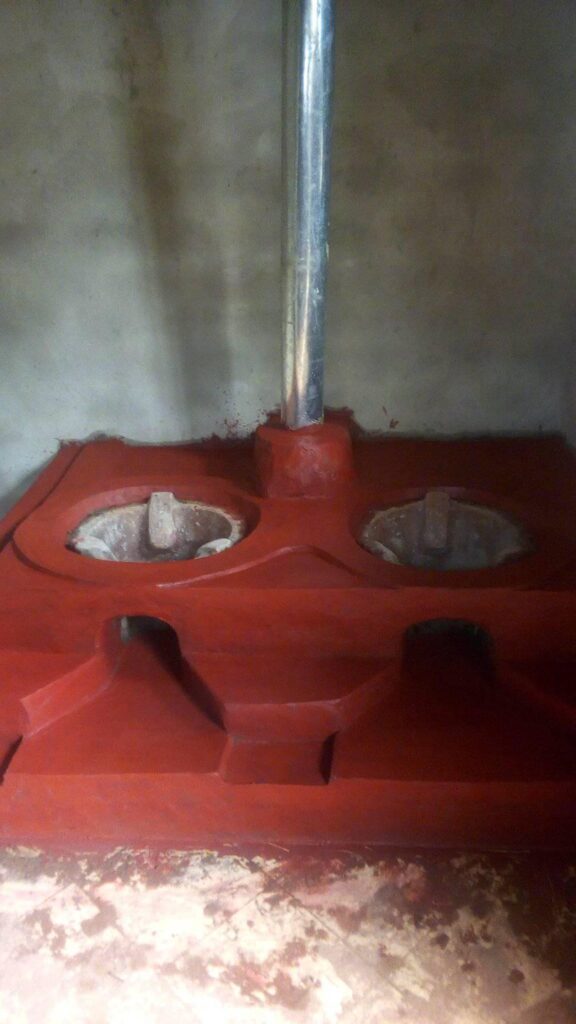
Four Benefits of your Jiko!
Compared to traditional open fires, jikos can be considered energy-saving due to their improved combustion efficiency. Here’s why:
- Reduced fuel consumption: Jikos are designed to maximize heat transfer to the cooking pot or pan, minimizing heat loss. This efficiency means that less charcoal is required to cook food compared to open fires, resulting in reduced fuel consumption.
- Controlled heat source: Jikos provide a concentrated and controlled heat source, allowing for more efficient cooking. The enclosed design of the stove helps to retain heat, preventing it from dissipating into the surroundings unnecessarily.
- Efficient combustion: Jikos are constructed with features that promote efficient combustion of charcoal. These features can include proper air vents and air circulation systems that optimize the airflow and enhance combustion efficiency. As a result, less charcoal is wasted and more of it is converted into usable heat.
- Consistent heat distribution: Jikos are typically designed to distribute heat evenly across the cooking surface. This allows for more efficient and uniform cooking, reducing the need for excessive heat or extended cooking times.
While jikos can be considered energy-saving compared to open fires, it’s important to note that they still rely on charcoal as a fuel source, which is derived from biomass and has associated carbon emissions. To further improve energy efficiency and reduce environmental impact, alternative cooking technologies such as clean cookstoves powered by renewable energy sources may be worth considering.
Green Flames: The Environmental Benefits of Jikos in East African...

The Timeless Legacy of Jikos in East African Cooking In...
